
Solutions and Consulting: With decades of experience, DELIECN provides intelligent warehousing & logistics solutions and consulting services for clients across a wide range of industries.
Learn More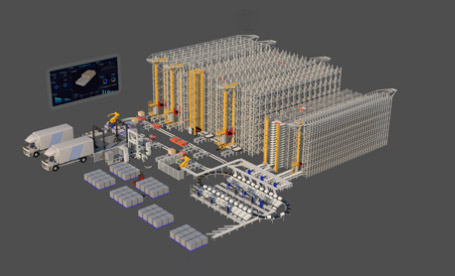
Solutions and Consulting: With decades of experience, DELIECN provides intelligent warehousing & logistics solutions and consulting services for clients across a wide range of industries.
Learn More
Solutions and Consulting: With decades of experience, DELIECN provides intelligent warehousing & logistics solutions and consulting services for clients across a wide range of industries.
Learn More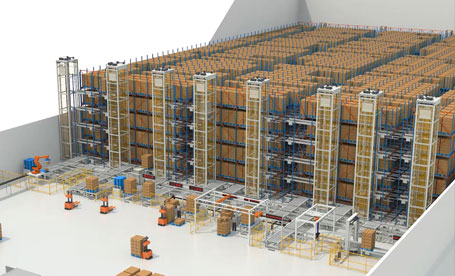
Solutions and consulting: DELIECN has decades of experience providing logistics & warehouse automation for the key industries.
Learn More
The chemical industry is undergoing a broader transition toward digitalized and intelligent manufacturing systems.
Warehouse operations play a critical role in this transformation, as material storage, inventory visibility, and logistics coordination directly affect production efficiency and supply chain reliability.
Building an Intelligent Warehouse Ecosystem
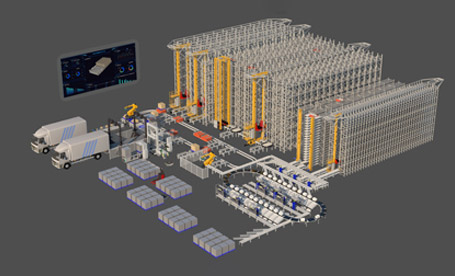
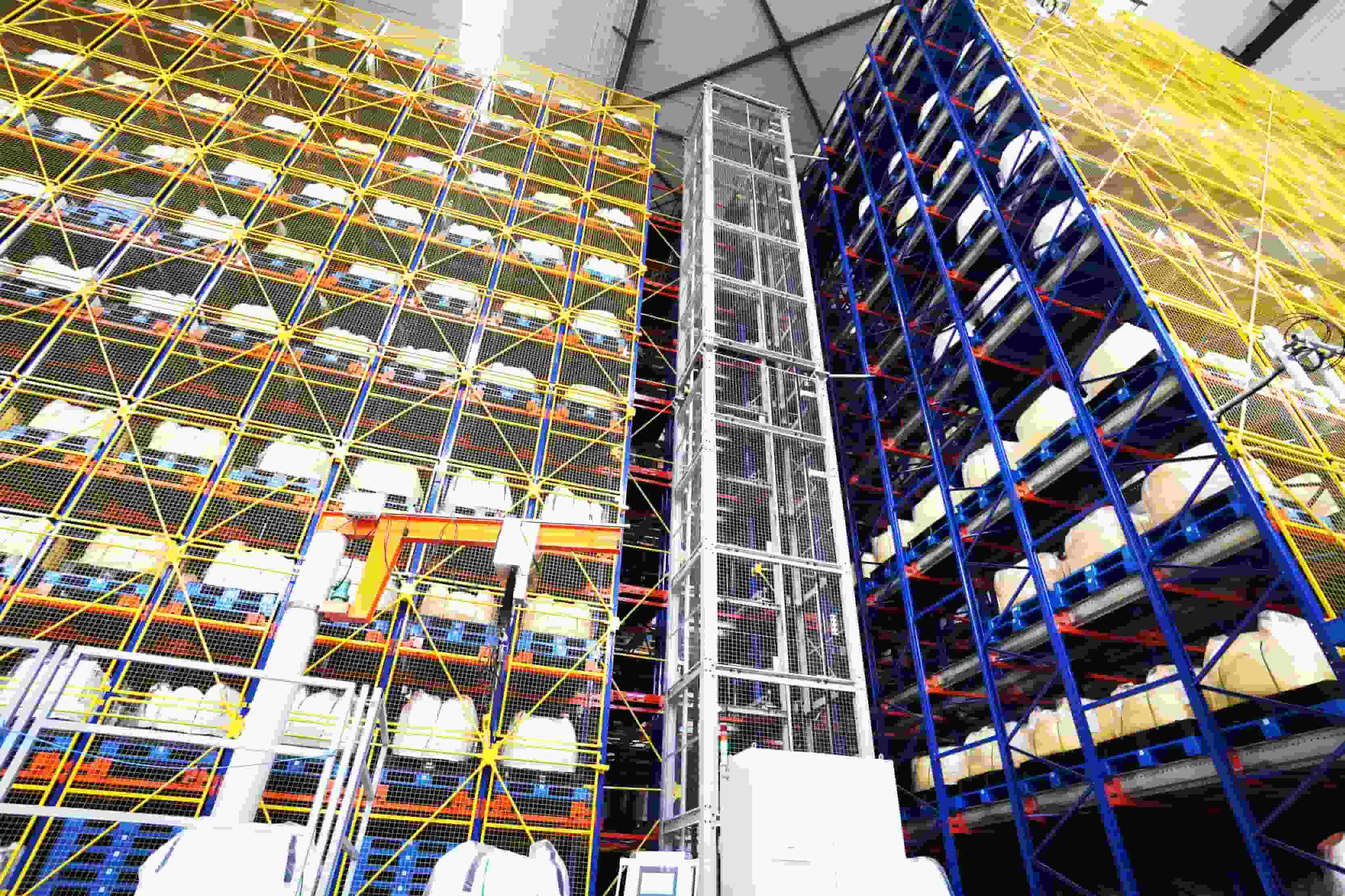
Modern automated warehouses combine physical automation equipment with intelligent software systems to create a fully connected logistics environment.
Key system components typically include:
● Automated storage equipment such as stacker cranes and shuttle systems
● Transport systems including AGVs, RGVs, and conveyors
● Warehouse Management Systems (WMS)
● Warehouse Control Systems (WCS)
● These technologies enable warehouses to operate as integrated logistics hubs rather than isolated storage areas.
Improving Inventory Visibility
Through technologies such as barcode identification, RFID sensors, and automated inventory tracking, warehouse systems can continuously monitor inventory status.
This allows companies to maintain accurate data regarding:
● Material specifications
● Inventory quantity
● Storage location
● Inbound and outbound records
Real-time inventory visibility enables more reliable production planning and reduces the risk of supply disruptions.
Integration with Enterprise Systems
A key element of digital warehouse transformation is the integration of warehouse systems with enterprise software platforms.
When WMS platforms connect with ERP and MES systems, companies can synchronize production plans with logistics operations.
This integration creates a closed-loop workflow linking:
Production → Storage → Distribution
Such coordination helps manufacturers optimize material flow and reduce operational delays.
Future Outlook
As manufacturing industries continue adopting digital technologies such as artificial intelligence and digital twins, warehouse operations will become increasingly intelligent and data-driven.
Automated intralogistics systems will play an essential role in enabling manufacturers to manage complex supply chains while maintaining efficient and scalable operations.