
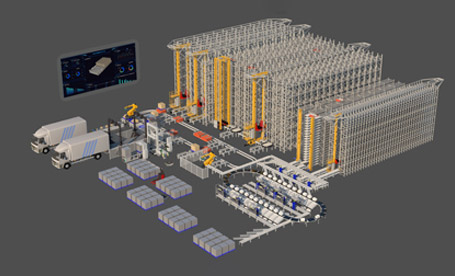
Solutions and Consulting: With decades of experience, DELIECN provides intelligent warehousing & logistics solutions and consulting services for clients across a wide range of industries.
Learn More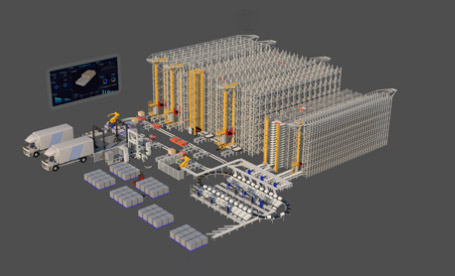
Solutions and Consulting: With decades of experience, DELIECN provides intelligent warehousing & logistics solutions and consulting services for clients across a wide range of industries.
Learn More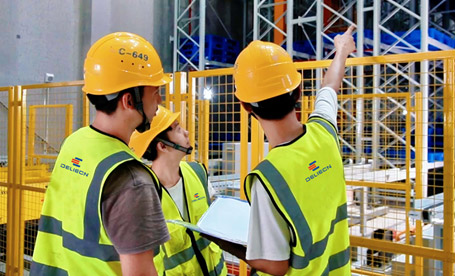
Solutions and Consulting: With decades of experience, DELIECN provides intelligent warehousing & logistics solutions and consulting services for clients across a wide range of industries.
Learn More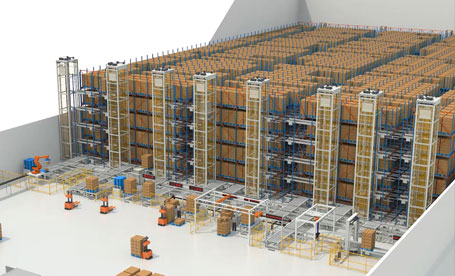
Solutions and consulting: DELIECN has decades of experience providing logistics & warehouse automation for the key industries.
Learn More
As supply chains become more demanding, warehouse operations are being asked to deliver more than basic storage. They are expected to support higher throughput, better inventory visibility, tighter order accuracy, and more reliable execution across inbound, storage, picking, replenishment, and outbound processes. This is why more businesses are adopting automated warehouse systems as part of their long-term warehouse and logistics strategy.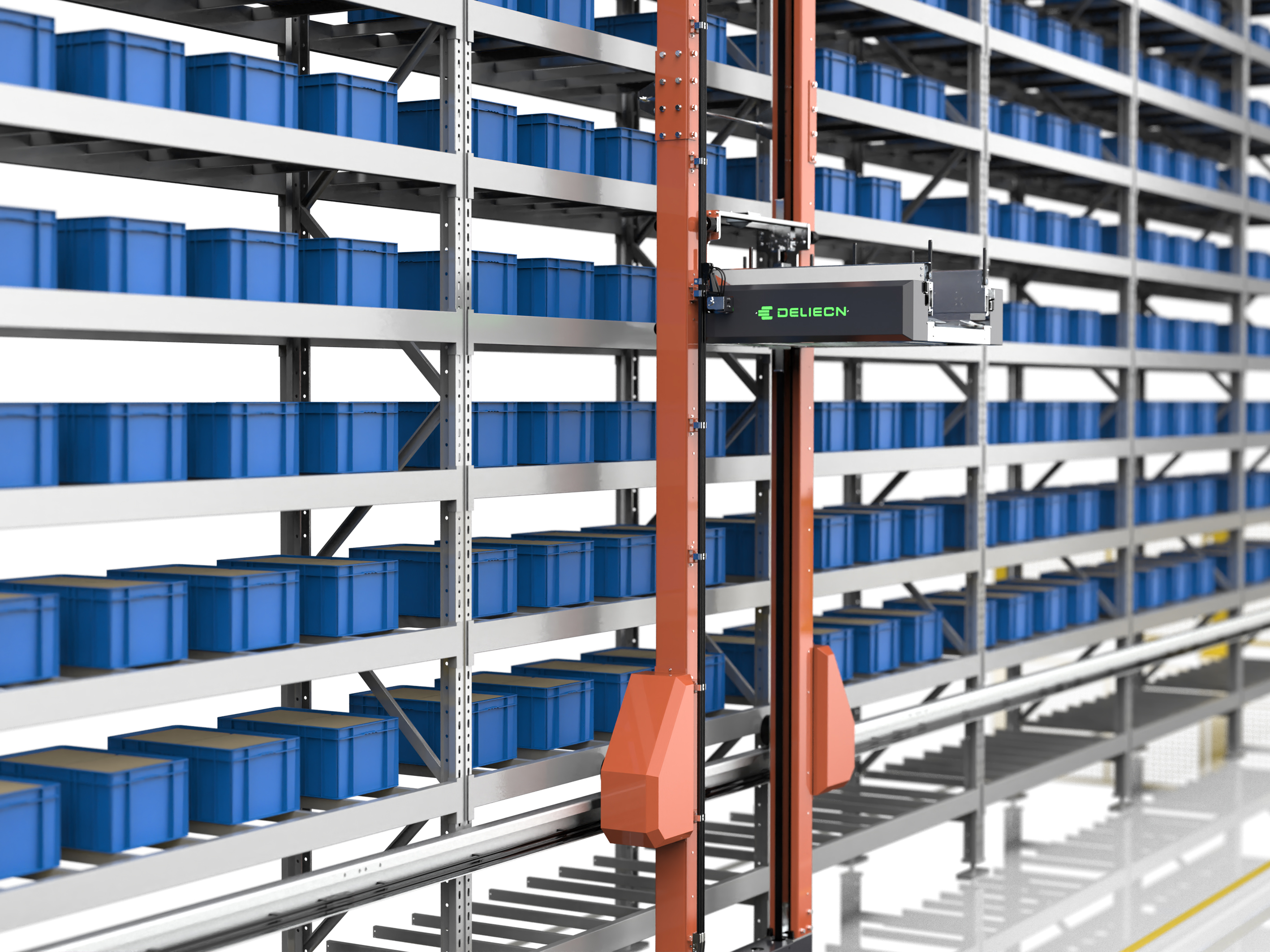
For many companies, the pressure comes from a combination of operational realities. Labor-intensive warehouse processes are becoming harder to scale in a stable way, especially in facilities with multiple shifts, seasonal peaks, high order variability, or a growing number of SKUs. At the same time, service expectations continue to rise. Customers expect shorter lead times, fewer errors, and more consistent delivery performance. Under these conditions, traditional manual workflows can become increasingly difficult to optimize without adding complexity, congestion, and recurring labor pressure.
Automated warehouse systems offer a more structured way to manage these challenges. In practical terms, such systems may include automated storage and retrieval systems (AS/RS), shuttle systems, stacker cranes, conveyors, sortation systems, autonomous mobile robots (AMRs), robotic handling modules, and the software layers that coordinate them, such as WMS, WCS, and WES. The value of automation does not come from equipment alone. It comes from the combination of physical automation and software-driven control that helps make warehouse operations more visible, more predictable, and easier to scale.
One of the main reasons companies invest is storage density. In many markets, warehouse land and expansion costs are significant, and available space is limited. Rather than expanding outward, many operators look for ways to use the existing footprint more efficiently. Automated storage systems can support higher-density layouts by reducing aisle requirements, using vertical space more effectively, and improving access to inventory within compact storage environments. This is particularly relevant in urban logistics, production-linked warehousing, cold storage, and facilities where site conditions limit building expansion.
 Another major driver is throughput improvement. As order structures become more complex, many warehouses need to handle more lines, more replenishment activity, and faster cycle times. Automated warehouse systems help reduce non-value-added travel and support more continuous flow between processes. Conveyors, shuttle systems, AMRs, and AS/RS solutions can move pallets, cartons, bins, or totes with greater consistency in operations where handling frequency is high. This improves flow coordination and can reduce bottlenecks between storage, picking, staging, and dispatch areas.
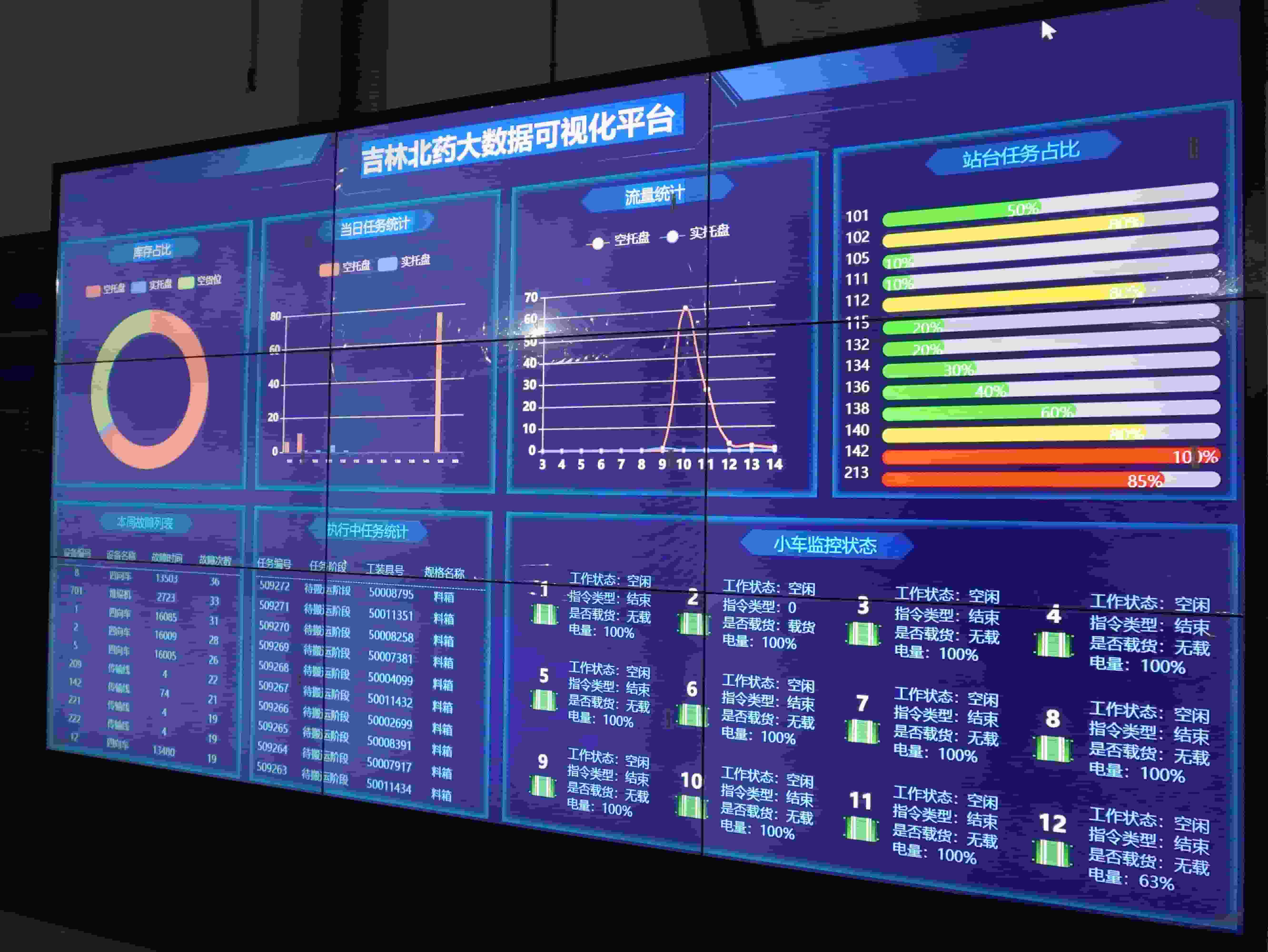
Inventory visibility is also becoming a critical reason for adoption. Modern warehouse automation projects are usually integrated with warehouse software and identification technologies that record product movements in real time. This makes it easier to maintain accurate stock positions, monitor task execution, improve location control, and respond faster to exceptions. For sectors such as pharmaceuticals, electronics, food, and regulated manufacturing, this level of control is often tied not only to efficiency, but also to traceability, compliance, and product quality management.
Businesses are also adopting automation because they need better process consistency. In manual operations, performance often depends heavily on operator experience, local workarounds, and temporary supervisory adjustments. This can create variability in task execution, especially during high-demand periods. Automated systems support a more standardized operating model by making internal transport, storage, retrieval, and sequencing more predictable. In many cases, this consistency is just as important as speed, because it supports a more stable service level over time.
Scalability is another important factor. As warehouse volumes grow, manual facilities often require repeated redesign: more forklifts, more pick faces, more staging zones, more temporary labor, and more coordination across teams. Automated warehouse systems provide a more modular path to growth. Depending on the solution, capacity can be expanded through additional robots, aisles, storage positions, shuttle levels, workstations, or software upgrades. This allows companies to align investment with business growth rather than repeatedly rebuilding warehouse processes from scratch.
Importantly, adoption does not always mean full automation from day one. Many companies start with selected applications where automation can create the clearest operational value. These may include pallet AS/RS for reserve storage, shuttle systems for dense inventory storage, conveyors for repetitive transfers, AMRs for internal transport, or goods-to-person workstations for order fulfillment. This phased approach can reduce implementation risk and help businesses prioritize the areas where performance gains are more measurable.
When evaluating automated warehouse systems, companies usually consider a broader set of criteria than labor reduction alone. Common decision factors include throughput improvement potential, storage density, inventory traceability, service-level stability, ergonomics, integration with ERP or MES, maintenance capability, lifecycle support, and future expansion flexibility. This wider evaluation reflects the fact that automation is increasingly seen as an operational infrastructure decision rather than a single equipment purchase.
Ultimately, businesses are adopting automated warehouse systems because warehouse performance now has a direct impact on resilience, cost control, and customer service. The goal is not simply to automate work. It is to build a warehouse operation that is better coordinated, more scalable, and more capable of supporting long-term growth in a measurable and practical way.